What Are the Most Frequently Asked Closing Questions?

The the process of closing on your real estate purchase can be confusing, especially if you’re a first time home buyer. We’ve put together some of the most commonly asked questions surrounding settlement, to help make sense of the closing process.

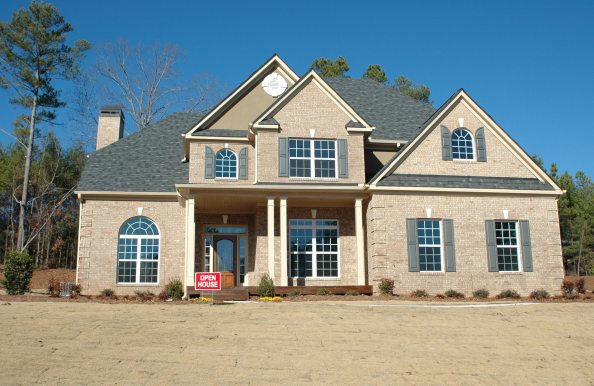
pexels-photo-208494

Do I need to purchase title insurance? Lenders typically require that you purchase Lender’s Title Insurance, to protect the financial institution’s interest in providing you a home loan. Owner’s Title Insurance is highly recommended, as it protects your financial investment in the property you intend to purchase. Learn more about both types from our title insurance page.

How long does the settlement process take? The entire settlement process depends largely on the type of mortgage, but the average time to close is 30 to 45 days.

Will seller concessions include my title fees? Yes. Title fees typically include items like title search and the Lender’s Title Insurance premium. Costs like these are covered in transactions where sellers contribute to closing costs on behalf of the buyer.

What do I need to bring to the closing table? You’ll need to present your driver’s license or other government-issued ID. Depending on the lender, two forms of identification may be required. You’ll also need to bring a Cashier’s or Certified Check for the amount of your closing costs.

Have other questions? Here at Linear Title & Escrow, we work closely with lenders and agents to make the closing process as simple, streamlined and seamless as possible. For more information on title and escrow, contact our friendly team at (757) 340-0340 today!

How Do Home Improvements Affect Resale Value?

Thinking of upgrading your flooring? Putting in a pool? Changing out old faucets and hardware for shiny new replacements? Upgrading and enhancing a home’s features, comfort and esthetics is something many people plan and save for to improve their surroundings. But it’s important to know whether such home improvements have an impact on the resale value of your home. Though you may have no current plans to sell, you never know when life may lead you in a different direction. Knowing what your home improvement investment is worth can help you make the best decisions for your needs now, and whether you can expect any return on these projects in the future sale of your home.

*image courtesy of pixabay

Know What Your Investment Is Worth

We’ve put together some of the most common home upgrade and improvement items, and insight as to how they may affect resale value. Keep in mind your location may have much to do with whether these upgrades add resale value or fall under the “overimprovement” category.

Flooring: The type of flooring and its resale value depends largely on where in the country you live. But in general, trading old, worn-out carpet and vinyl flooring for a hearty product like wood, tile or engineered hardwood has higher resale value. Flooringinc.com reports a relatively equal balance between initial cost and ROI for these products.

In-ground Pool: According to Homeadviser.com, the national average cost to install an in-ground pool is $44,873. This, of course, varies depending on your location, time of year you install, and the bells and whistles you choose for your backyard oasis. Unfortunately, many homeowners do not recoup their entire pool investment when it comes time to sell.

Kitchen: A kitchen remodel, or at the very least upgrading appliances and countertops, resonates well with buyers – especially with those in the market for the first time. Consumer Reports adds that upgrading your kitchen offers a potential increase of 3 to 7 percent in sale price.

Going Green: Eco-efficient solar energy is a hot topic in home designing, building and renovating these days – and for good reason. Upgrading to solar energy not only saves you money on utility bills and tax credits, it lets your recoup your investment. A recent study shows that home resale values increase by about $4 for every watt of solar energy installed.

Landscaping: Improving your home’s curb appeal has a positive impact on resale value, as reported by Houselogic.com. In fact, in the 2016 National Association of Realtors® Remodeling Impact Report, landscaping returned nearly a 100% on investment.

Many homeowners want their properties to be comfortable, and to enjoy their time while living in their homes. Your decision to upgrade may be based on any number of considerations. Knowing whether your projects add value to or over-improve your home is important as a homeowner, and could help you determine the right course of action for your humble abode.

What Are My Closing Costs When Selling a Home?

Our last post discussed closing cost breakdown on the buyer’s side of a real estate sale. But what closing costs can you expect when selling a home? The seller’s side of the Closing Disclosure form typically has fewer line items than that of the buyer, but the costs vary based on a number of factors.

Seller's Closing Costs

The two portions of seller’s closing cost having the most impact on the bottom line are the agent(s) sales commission and mortgage payoff balance. Though paid at closing out of the proceeds from selling your home, we’ll leave these aside when discussing fees associated with seller’s closing costs. Total seller’s closing costs typically average between six and 10 percent of the sale price, as reported by Realtor.com.

Understanding Seller’s Closing Costs

Here’s a breakdown of typical closing costs incurred when selling a property:

  • Loan Payoff Fee: Covers the cost of forwarding the loan payoff to the lender.
  • Lien or Judgment Releases: Settles any liens or judgments against the home.
  • Termite Letter: Covers the cost of a termite inspection. A termite inspection and letter are generally conducted and submitted prior to closing.
  • Home Warranty: The purchase of a service plan that covers the cost of repairing or replacing major systems and appliances in the home you are selling in the event breakdowns, damage or loss occurs. (This coverage typically lasts for one year after closing.)
  • Home Repairs: Often appear in the form of a credit to the buyer to cover the cost of any necessary (pre-negotiated) home repairs.
  • Homeowner Association Fees – Prorated based on the amount owed at closing. (If paid in full or through a date beyond closing, these amounts are prorated back to the seller and paid by the buyer.)
  • Condo/Co-op Fees: Also prorated based on the amount owed at closing. Like HOA fees, any amounts paid for in advance for time beyond the closing date are prorated back to the seller and paid by the buyer.
  • Property Taxes: This amount is prorated based on the percentage of the year the seller owned the property.
  • Deed Preparation Fee: Applies to the document composed to transfer title on the property from the seller to the buyer.
  • Storm Water Fee: Varies per city, and is charged to cover the cost of treating, storing and managing storm water runoff within the community.
  • Grantor’s Tax: Transfer tax paid to the state, which covers the cost of conveying the property from the seller to the buyer.
  • Notary Fee: Fee charged to verify signatures on closing documents. This typically applies if the seller is not local to where the transaction occurs.
  • Settlement Fee: Paid to the company or attorney conducting the closing and covers the cost of preparing documents and executing the transaction.
  • Seller Concessions: Paid by the seller on behalf of the buyer to cover the cost of certain closing fees. These amounts or items are negotiated prior to closing.

*These fees may vary based on state, city and county, and per mortgage product. Some may not be applicable, depending on the circumstances surrounding your closing.

Learn more about closing costs and the settlement process by contacting our friendly, knowledgeable team today! Call Linear Title & Escrow at (757) 340-0340 for additional information.

Closing Cost Breakdown for a Home Buyer

Buyers Closing CostsClosing costs are a necessary part of a real estate transaction. But these fees differ depending on which side of the table you sit. Buyers have a greater number of closing costs compared to the seller, however some of these fees are often negotiated in the real estate deal. (For instance, a seller may agree to contribute a certain amount towards the buyer’s closing costs.) Read on for a breakdown on the fees appearing on the buyer’s side of the Closing Disclosure (CD) form.


 Understanding Buyer’s Closing Costs

According to Realtor.com, closing costs are usually between 2% and 7% of the amount of the home. These costs also vary based on the type of mortgage you choose or for which you qualify.

Buyer’s closing costs typically include the following items:

  • Loan Application: Amount varies per lender, and covers the administrative cost of processing your loan application.
  • Home Appraisal: Applies to every real estate transaction involving a lender, and provides an objective estimate of the fair market value of the home.
  • Land Survey: Optional – only ordered upon request by a buyer or agent. Describes the boundaries and other pertinent details of the property.
  • Credit Report Review: Charged by the lender to ensure good credit status.
  • Flood Determination: Performed by the lender to determine if the property falls within a flood zone.
  • Flood Elevation Certificate: May be required if it’s determined that the property is, in fact, located within a flood zone.
  • Attorney Fee: Applies only if you hire an attorney versus a settlement company to handle your closing.
  • Homeowner’s Insurance: Applies to every transaction with a lender.
  • Flood Insurance: Often required if the property is located within a high risk flood zone.
  • HOA Assessment: Charged if the property is part of a homeowners’ association, and is typically prorated.
  • Prepaid Interest (Loan Discount Points): The amount of interest that accrues between your closing date and the first loan payment. Loan discount points reduce the interest rate on your mortgage. 
  • Private Mortgage Insurance (PMI): Typically required if the down payment is less than 20 percent. Certain mortgage products require PMI for the life of the loan.
  • Lender’s Title Insurance: Protects the lender’s interest if title problems arise surrounding the property.
  • Origination Fee: Charged by the lender, and covers the cost of creating the home loan.
  • Courier Fee: Amount charged by some lenders for document delivery throughout the real estate transaction.
  • Recording Fee: Varies by city or county, and charged for public recording of the real estate sale.
  • Transfer Taxes: Charged by the city, state or county to cover the cost of transferring title on a property.
  • Underwriting Fees: Amount charged by the lender to evaluate in depth your ability to repay the home loan for which you’ve applied.
  • Title Company Closing Fee: Amount charged by the title company to conduct the real estate transaction.

*Some types of mortgages may include fees specific to those products. Closing fees and their amounts may vary per state and/or municipality.

Have questions on how closing costs are determined, or about the settlement process in general? We’re happy to help! Call Linear Title & Escrow at (757) 340-0340 today.


How to Get the Most Out of Your Recent Home Buying Experience

How to get the most

Thrilled. Ecstatic. Elated. These are all emotions associated with buying a new home, whether it’s your first time or you’re a seasoned buying pro. Yet with each home buying experience, there is something to be gleaned. Some pearl of wisdom you didn’t know or overlooked before, that can make you a smarter homeowner, future seller or home buyer if and when you purchase another home. What will you take with you from your recent real estate purchase? How can you get the most out of your home buying experience?

  • Did you use an agent? Real estate agents have much to offer in the way of knowledge about the housing market and in finding your dream property. Take advantage of having an agent in your corner for future purchases, if you skipped it this time around.
  • Assess your initial property search. What worked? Was it as productive as possible? Did you maximize your time by looking in the right location and appropriate price range?
  • Did you get pre-approved prior to looking for a new home? Mortgage pre-approval certainly offers some advantages. Read our previous post on the benefits of being pre-approved here.
  • How was the road to closing? Did you experience an easy loan application process, or are there ways to improve the management of documentation in future real estate transactions? Keeping meticulous financial records and statements can help streamline this process for the future, in a big way.
  • Make note of what worked. If you did your homework, stayed within your budget and got an awesome deal on your home, pat yourself on the back! Take careful note of what factors or actions worked best for you, so you can apply them to future home buying experiences.
  • Make note of what didn’t work. On the same token, identifying things that you would do differently the next-go-round also is prudent. Avoiding past mistakes can go along way in making any future home buying experiences easier.

If you’ve just purchased a home, congratulations! You’ve reached a milestone, whether it’s your first home or your third. At Linear Title & Escrow, we focus on making your closing as smooth, efficient and streamlined as possible. Contact us today at 757.340.0340 with your closing questions.


To Pre-Qualify, or Pre-Approve?

Pre-approval

In our last post, we discussed the advantages of being pre-qualified for a home loan. But what are the advantages to skipping this step altogether, and going straight for pre-approval? Read on to learn more about mortgage pre-approval and the benefits of choosing this route.

What Does It Mean to Be “Pre-Approved?”

Requesting pre-approval for a home loan involves more than that required for pre-qualification. With a pre-approval, the lender performs an evaluation of your financial ability to take on a mortgage, and to what extent. This includes a close look at your income, debts and assets. The financial institution determines the amount of money they’d lend to you based on the documents you provide (financial statements, tax returns, pay stubs, etc.) along with your credit score. You’ll be asked to complete a mortgage application, which often carries a nominal fee.

If all goes well, the lender will then pre-approve you for a mortgage, and provide you with a pre-approval letter. This includes the precise loan amount, up to which you can borrow, and your estimated interest rate.

Benefits of Mortgage Pre-Approval

  • Gain an exact idea of the maximum loan amount for which you qualify.
  • Give more clout to your interest in a home. Being pre-approved shows the buyer’s agent that you’re serious about purchasing the home he or she represents.
  • Increase your chances of a seller accepting your offer, especially during a bidding war. Pre-approval enhances your ability to negotiate on your dream house.
  • Minimize time to settlement. Though you’ll still need to complete the mortgage process, you’ll have a head start on the game and decrease the time it takes to close.

In short, pre-approval puts you closer to securing a home loan when compared with pre-qualification, though there are benefits to the latter as well (refer back to our post on mortgage pre-qualification). Perhaps pre-qualification is likened to browsing or “window shopping,” while pre-approval indicates an intent of looking to buy. In either case, it’s always best to do your due diligence and determine the right course of action for you.


What Are the Benefits of Mortgage Pre-Qualification?

Mortgage Pre-Qualification

The purchase of a new home is equally an exciting and frightening endeavor. Exciting for the obvious reasons, but scary from a financial standpoint. Do you know how much mortgage you can handle, or how much you can reasonably expect to borrow? Getting pre-qualified for a home loan erases a good deal of uncertainty, giving you an accurate idea of your price range and solid ground when it comes to searching for your perfect home.

How Pre-Qualifying for a Mortgage Works to Your Advantage

What does it mean to be “pre-qualified?” With mortgage pre-qualification, a lender provides an estimate of the amount you could borrow, based on financial information you provide. (Note: This typically doesn’t involve submitting bank statements and tax documents, as in a pre-approval process.) Not everyone in the buying market seeks to get pre-qualified for a home loan. But if you’re a first-time buyer or have no general notion of how much you might qualify for, a mortgage pre-qualification is a smart idea.

Being pre-qualified for a home loan offers the following benefits:

  • Better Understand Your Goals. Having a general idea of the amount of home loan you can take on gives you greater insight into your financial position. This can help you determine if now is the right time to buy, or whether you should wait until you establish more secure financial footing.
  • Quick and Free. The mortgage pre-qualification process is often completed by phone or Internet. There is usually no charge associated with this service.
  • Early Understanding of Options. Having a general idea of your financial reach helps you narrow down and understand your mortgage options. The lender with whom you pre-qualify can review and explain the mortgage products that may be right for you.
  • Saves Time. When you look within your price range, you won’t waste time browsing properties beyond your budget.
  • Know Where to Start. Being pre-qualified gets you started in the right direction. Establishing a relationship with a lender who understands your personal needs and financial abilities is a great way to begin the home buying process.

Keep in mind, mortgage pre-qualification is just a general estimate of the loan amount for which you could potentially be approved. Being pre-qualified for a home loan in no way ensures you’ll be approved for a mortgage. Stay tuned for our next post, which compares and contrasts mortgage pre-qualification vs. pre-approval.


When Is the Best Time to Close on a Home?

Best Time to CloseBuying a home is an exciting venture, whether it’s the first time or the fifth. It takes a certain amount of strategizing, from finding the perfect location to getting your offer accepted. Once approved for your home loan, the last step is to lock in your rate and count the days until your closing date. But when is the best time to close on a home? Is there a certain time that works more to your advantage?

Closing Date Comparisons

It’s largely assumed that closing on the last day or as close to the end of the month as possible is the best choice. However, this isn’t true for all cases. The following compares the benefits and drawbacks of closing at varying times within the month. Keep in mind the date on which you close affects when your first mortgage payment is due.

  • Beginning of the Month: Closing early in the month does require that you pay a good deal of interest for the remaining days of the closing month. But it also leaves you almost two full months before making that first mortgage payment. (For example, if you close November 4th, your initial loan payment is due January 1st of the following year.) The benefit is the substantial cost savings you’ll gain by not having to make a mortgage payment for nearly two months.
  • Middle of the Month: Closing between the 15th and the end of the month sets your first mortgage payment a full month out. (For instance, if you close between October 15th and October 31st, your first loan payment is due on December 1st.) You must take into consideration the amount of interest you’ll incur and be required to prepay during the closing month.
  • End of the Month: Closing towards end of the month ensures the amount of daily accrued interest you pay is minimized (for that month). This can add up to a significant savings in closing costs, when you consider paying interest on one to two days as opposed to 15 or more. Like the middle of the month example, your first mortgage payment would be due a full month out.

Consider the Circumstances

Many people prefer to close at the end of the month, to avoid paying additional interest. But bear in mind that the last few days of the month are the busiest times for lenders and title companies. Loans can often be pushed through more efficiently during slower times. The “funnel-effect” at the end of the month, at times, leads to closing date delays.

You may not have full control over which day your closing actually takes place. Certain factors may cause your closing to be delayed, and even moved into early days of the next month, depending on how the days fall. In such as case, you’ll pay more interest, but have nearly two months before you’re expected to remit your first mortgage payment.

Have questions on the closing process? The Linear Title & Escrow team is always here to help! Contact us today at (757) 340-0340.


What Goes Into the Appraisal Process?

Appraisal

If you’ve ever bought or sold a home, or are currently in the process, the term “appraisal” is likely one with which you’re very familiar. An appraisal is a process that determines the fair market value of a home or property for sale. It’s also a crucial part of whether or not a lender decides to approve a home loan. If the appraisal comes back lower than the asking price, the loan request will likely be denied.

What Goes Into a Home Appraisal?

The lender is the party that orders the appraisal. An approved appraiser is contracted to complete the process, and visits the property to perform the assessment. A number of things factor into the final appraisal value of a property, such as the following:

  • Condition of interior and exterior portions of the home
  • Overall size of the home and lot
  • Age and location of the home
  • Square footage of each room
  • Number of bedrooms, bathrooms, etc.
  • Features, upgrades or improvements made to the home
  • Unique geographic aspects, like water-front, beach or mountain views
  • Comparable information (recent home sales in the neighborhood, zip code and surrounding area)

If the Appraisal Comes Back Low, Should You Spring for a Second?

Typically, the seller pays for the appraisal. However, some lender’s require the buyer to cover this cost. The seller wants the highest price possible, but the buyer also wants to be approved for the loan. If the appraised amount comes back off the mark, either party has the opportunity to order a new appraisal, at their own expense. According to HomeAdvisor.com, the national average cost of a home appraisal is currently $316. (The average for the Hampton Roads area is a bit higher, at around $450.)

Appraisals are an integral part of the home buying and selling process, and almost always required for residential real estate transactions.

Have a question about a real estate transaction or the closing process? Contact the Linear Title & Escrow team today at (757) 340.0340!


5 Easy, Inexpensive Ways to Improve a Property’s Curb Appeal

Curb Appeal

Curb appeal. A term taken mainstream largely by a slew of HGTV home improvement shows over the past decade or so. That’s not to say that property owners previously failed to consider the importance of outward appearances when it comes to owning a home. Perhaps the market-driven economy since the turn of the century has engendered more of a need for our homes to look appealing from…well, from the curb.

Whether looking to spruce up the exterior portions of your property for your own contentment or wanting to ensure your home is in tiptop shape for its debut on the MLS, improving curb appeal doesn’t have to be too difficult, or expensive. We’ve put together a list of five easy ways to enhance the exterior appeal of your home – that won’t break your back, or the bank.

5 Simple Ways to Do A Lot With a Little

  1. Update the Entryway. Often the focal point of a home, the front door should be welcoming and inviting. Reframing the door, replacing the door handle and flanking your entrance with sturdy plants can go a long way in adding charm and appeal to your home.
  1. Add a fresh coat of paint. Nothing gives a home a facelift like a new coat of paint. Add accent colors to your front door, garage door, shutters and even window trim to completely transform the look of your home.
  1. Rejuvenate with landscaping. Remove dead, unhealthy shrubs, trees and flowers, and replace with fresh, vibrant plants and trees that add color, warmth and interest to your property. Plan out how to fill your space first, though, so your landscaping doesn’t appear haphazard, unorganized or as an afterthought.
  1. Enhance appearance with landscape lighting. Your property may look great in the daylight, but what about once the sun goes down? Strategically placed landscape and up lighting can do wonders for giving your home a regal appearance.
  1. Pressure wash, and seal the driveway and walkway. Dirt, grime, mold and a whole host of other unpleasant materials tend to collect on driveways, walkways and porches. Pressure washing away this collection leaves behind a fresh, like-new surface that can really complement the home. Sealing once completely dried helps protect these passageways into the home, keeping them cleaner in the long run and giving them an eye-pleasing sheen that lasts.

You don’t have to invest much to refresh and rejuvenate your property’s appearance. Be creative, be inspired and be ready to move when that offer comes in.