
 Whether you’re on the hunt for a new home, considering a refinancing option or casually browsing the current real estate market, it’s good to have a sound understanding of what certain words or phrases relative to your efforts actually mean. We’ve compiled a list of terms you’ll likely encounter in such situations.
- Land Survey: Instrument that describes, maps and documents boundaries and characteristics of a property.
- Closing/Settlement: Finalizes the process of transferring ownership of a property from one party to the next.
- Closing Costs: Monies paid by buyers and sellers in the final settlement of a real estate transaction.
- CD Form (Closing Disclosure Form): Document that presents mortgage particulars, closing costs and detailed financial responsibility of the home buyer.
- Title Insurance: Protects the lender’s financial interests (Lender’s Policy) and homeowner’s rights to the property against loss due to title defects.
- Title Search: Process of reviewing the title history of a property for defects.
- Loan Discount Points: Also known as pre-paid interest. Allows a home buyer to pre-pay interest to lower the interest rate on a home loan. Each point paid equates to 1% of the loan amount.
- Mortgage Pre-Approval: Process of becoming approved by a lender to borrow up to a certain loan amount, after submitting financial documents such as bank statements, employment verification and tax returns, among others.
- Contingency: Clause included in a real estate contract that enables one or both parties to cancel the transaction based on certain circumstances.
- Buyer’s Agent: Real estate agent representing the home buyer(s) and their interests.
- Listing Agent: Real estate agent representing the home seller(s) and their interests.
- Adjustable-Rate Mortgage (ARM): Mortgage in which the interest rate fluctuates based on market conditions, causing the monthly loan payments to increase or decrease.
- Fixed-Rate Mortgage: Mortgage in which the interest rate is fixed over a specified period of time (typically 15 or 30 years).
- Loan Origination: Performed by the lender, and encompasses all phases of the loan process, from initial application to release of funds.
- Escrow Agent: Third party responsible for holding and maintaining all funds and documents related to a real estate transaction until closing.
- Escrow: Type of account established by the lender. Holds a portion of each monthly mortgage payment, the collective funds of which are used to pay property taxes and homeowner’s insurance on an annual basis, or when due.
- Home Appraisal: Professional third-party assessment performed to determine the fair market value of a property.
- Home Inspection: Professional third-party service designed to determine the current condition of a home. Finding are produced in a document rendered to the lender and home buyer.
- Seller Concessions: Certain closing costs paid by the home seller on behalf of the home buyer.
- Private Mortgage Insurance (PMI): Type of insurance often required on conventional loans, when the borrowers put less than a 20 percent down payment on a home. Remains in effect until loan-to-value reaches less than 80 percent.
- Short Sale: Real estate sale in which the amount received for a home is less than the loan balance. In this case, the lender agrees to accept less than what is owed on the property.
- HOA Fees or Assessment: Monthly, yearly or bi-annual fees or one-time payments assessed by a homeowner association, collected for the purpose to maintain, improve, develop or further modify private residential neighborhoods.
- Amortization: Describes the payment of a loan over time, through a series of regular monthly mortgage payments.
Have questions about other real estate, mortgage or closing terms? Contact our friendly team at Linear Title & Escrow today!

 The last thing anyone wants in real estate is to be unable to buy or sell a home because of title problems. Defects, or “clouds,” on title at the very least can stall the real estate transaction, taking anywhere from days to months to resolve. Title companies and their agents work diligently to conduct a title search for each real estate transaction. Unmarketable titles not only prevent proper title transfers – they can be costly to resolve and ultimately result in the inability to sell a property.
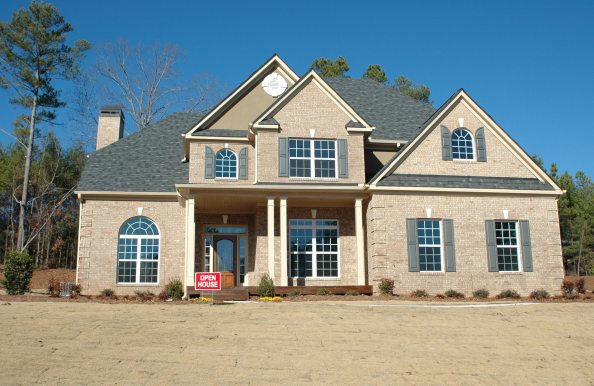

 Buying a home is an exciting venture, whether it’s the first time or the fifth. It takes a certain amount of strategizing, from finding the perfect location to getting your offer accepted. Once approved for your home loan, the last step is to lock in your rate and count the days until your closing date. But when is the best time to close on a home? Is there a certain time that works more to your advantage?

 LINEAR TITLE & ESCROW